
How to Choose the Right Swim Academy for Your Toddler
- superheroswim
- 18 hours ago
- 7 min read
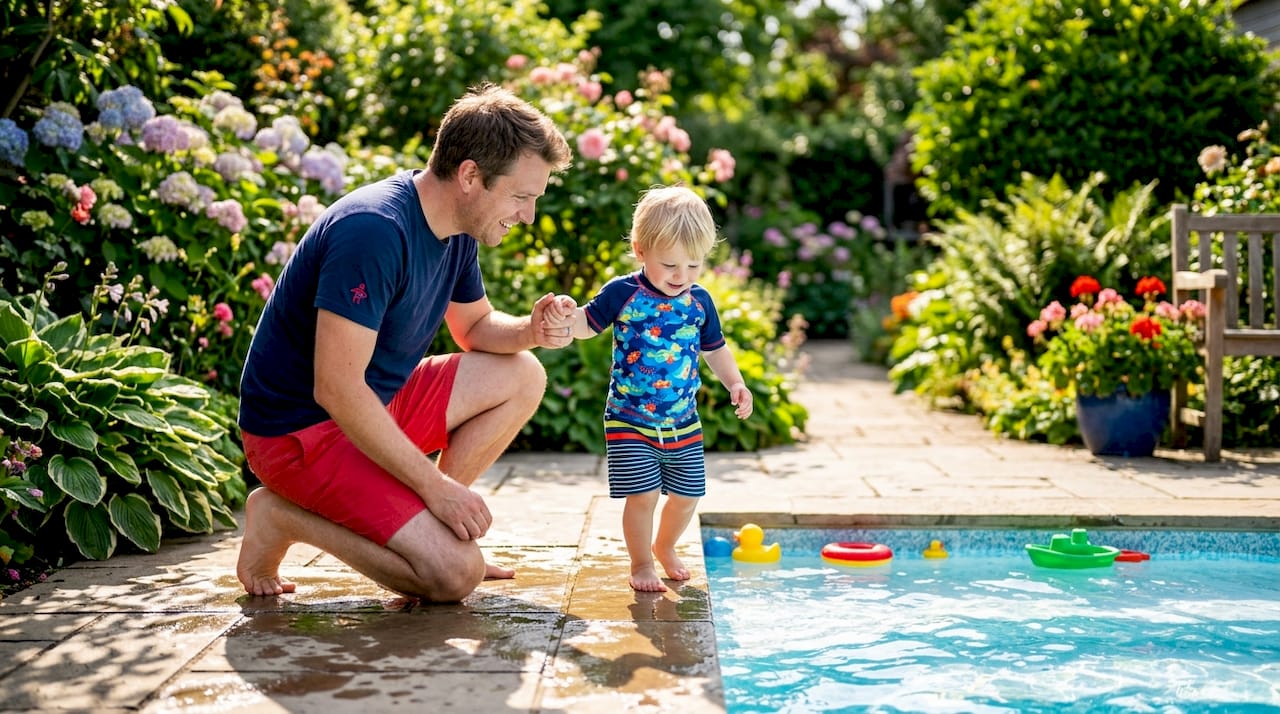
Choosing the right swim academy for your toddler is one of the most safety-critical decisions you will make as a parent. The American Academy of Pediatrics updated its guidance in 2026 to confirm that formal swim lessons can begin as early as age 1, provided the child shows developmental and emotional readiness. The quality of instruction, class size, and curriculum structure directly determine whether your child builds genuine water safety skills or simply gets wet. Superheroswimacademy has taught over 2,500 children in Palm Beach and Broward counties using a survival-first curriculum, and the difference between a well-chosen program and a poor one shows up fast.
What are the essential qualities of a toddler swim academy?
The single most important quality in any toddler swim program is certified instruction. American Red Cross WSI (Water Safety Instructor) certification, combined with current CPR and First Aid training, is the recognized industry standard for instructors working with young children. An internal certificate from a gym or recreation center does not carry the same weight. Ask to see credentials before you sign anything.
Class size is the second factor that separates good programs from great ones. Student-to-instructor ratios should be 1:1 with a parent in the water for children under 3, and no more than 4:1 for ages 3 to 5. A crowded pool deck with one instructor managing six toddlers is not a learning environment. It is a liability.
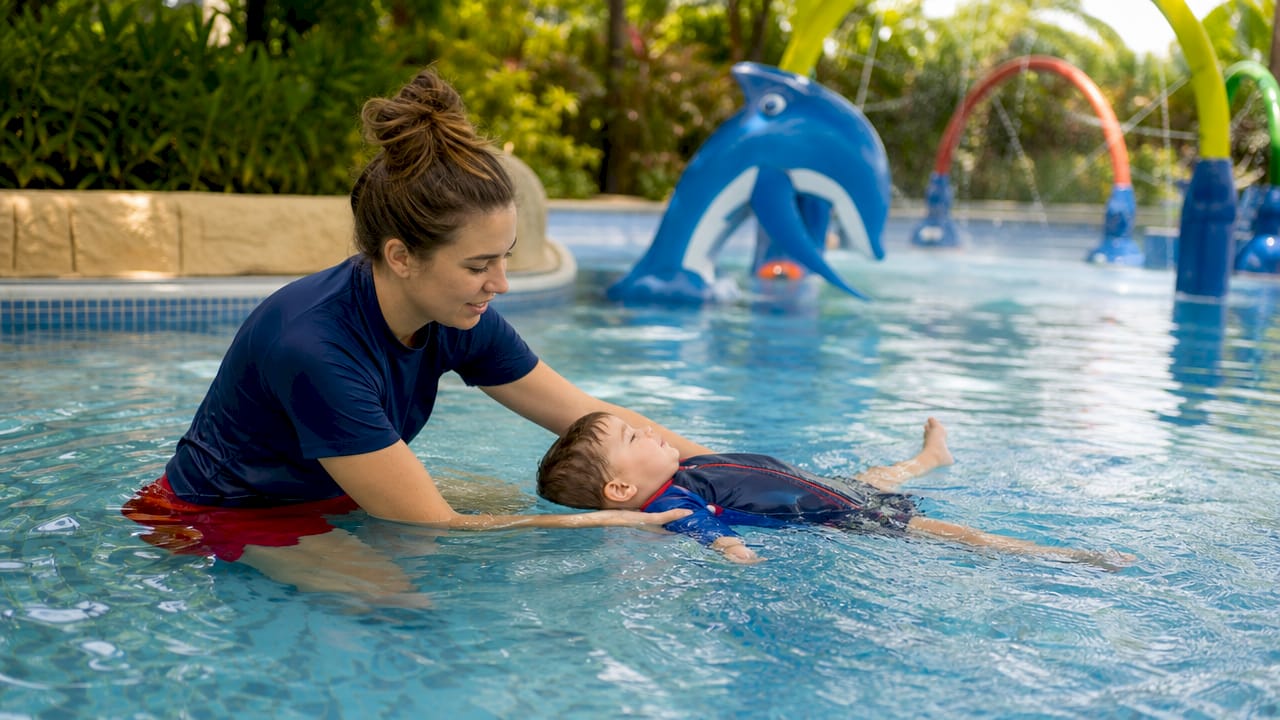
Water temperature matters more than most parents expect. Pool water between 88°F and 92°F keeps toddlers comfortable and focused. Water below 88°F causes rapid heat loss, shivering, and negative associations with swimming that can take months to undo.
The curriculum must prioritize survival skills before stroke mechanics. Skills like rolling to a back float, breath control, and locating the pool wall are the foundation of true water competency. A program that jumps straight to freestyle technique skips the skills that actually save lives.
Key non-negotiables to verify before enrolling:
Instructors hold American Red Cross WSI certification and current CPR/First Aid credentials
Class ratios meet the 1:1 (under 3) or 4:1 (ages 3 to 5) standard
Pool water is maintained between 88°F and 92°F
The curriculum tracks survival skill milestones, not just stroke development
Emergency procedures are posted and visible at the facility
Pro Tip: Ask the academy to show you their emergency action plan. A quality program has it laminated and posted poolside, not buried in a filing cabinet.
How do you know if your toddler is ready for swim lessons?
Readiness is not just about age. The AAP’s updated guidance emphasizes assessing emotional maturity and physical ability alongside age before starting formal swim instruction. A child who can follow simple two-step instructions and shows curiosity about water is a strong candidate. A child who screams at bath time may need more gradual water exposure first.
Watch for these readiness signals before booking lessons:
Your toddler shows comfort during bath time and does not panic when water touches their face.
They can follow a simple instruction like “kick your feet” or “blow bubbles.”
They demonstrate basic physical coordination, such as kicking legs independently.
They show interest in water play rather than fear or avoidance.
They can separate from you briefly without extreme distress.
Forcing lessons on an unprepared child creates negative associations that are genuinely hard to reverse. Patience at this stage pays off in faster skill acquisition later. The goal is a child who wants to be in the water, not one who tolerates it.
Pro Tip: Before committing to a full session, take your toddler to the pool deck during a class. Watch their reaction to the water, the noise, and other children. Their body language tells you more than any readiness checklist.
What lesson formats work best for toddlers?
Three formats dominate the toddler swim market: parent-tot classes, private lessons, and small group lessons. Each serves a different child and family situation.
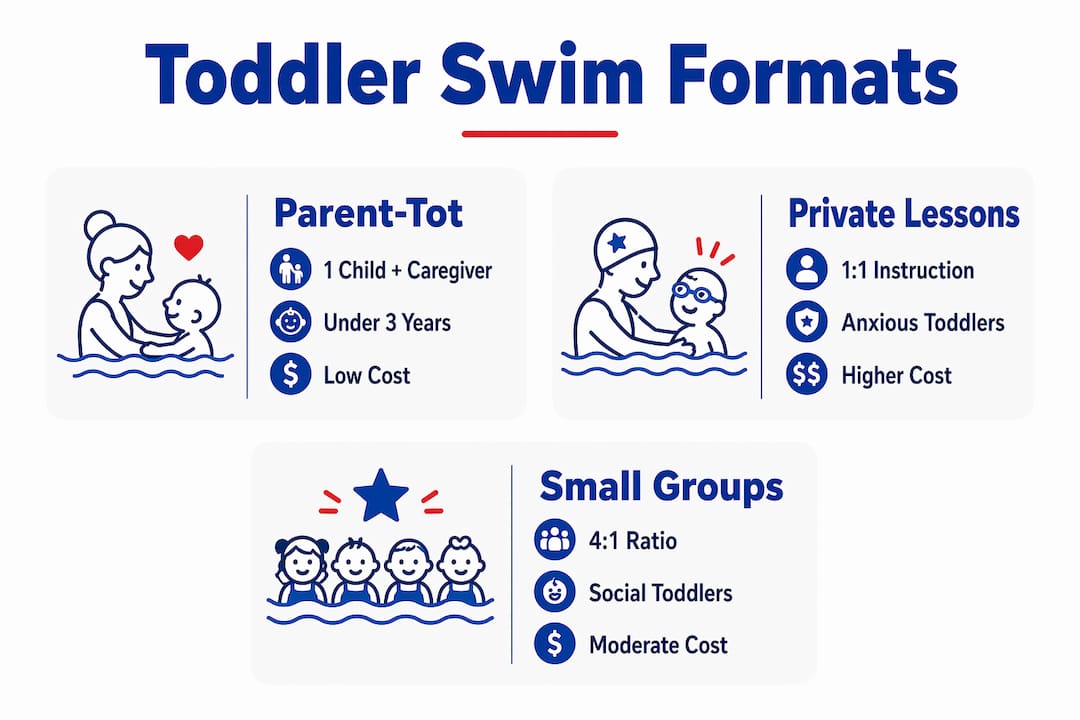
Parent-tot classes place the caregiver in the water alongside the child. This format works best for children under 3 who need the security of a familiar adult to acclimate to the pool environment. The bonding element accelerates comfort, and parents learn how to safely support their child in water between lessons.
Private lessons deliver one-on-one instruction and are the right choice for anxious toddlers or children who have had a negative water experience. The instructor can move at the child’s exact pace without the social pressure of a group setting. Private lessons also suit children who are advancing quickly and need more challenge than a group class provides.
Small group lessons work well for social, confident toddlers who respond to peer motivation. The key requirement is a low ratio. Toddler lessons lasting about 30 minutes match the natural attention span and physical stamina of young children. That duration is not arbitrary. It reflects how quickly toddlers fatigue in water, especially in heated pools.
Format | Class size | Best for | Relative cost |
Parent-tot | 1 child + caregiver | Under 3, first water exposure | Moderate |
Private | 1 child | Anxious or advanced toddlers | Higher |
Small group | 2–4 children | Social, confident toddlers | Lower |
The format matters less than the instructor quality and the curriculum. A great instructor running a small group class will outperform a mediocre instructor in a private session every time.
Practical steps to evaluate and choose a swim academy
Evaluating a swim academy requires more than reading reviews online. A physical visit gives you information no website can provide.
Visit the facility unannounced if possible. Check pool deck cleanliness, water clarity, and whether safety equipment like reaching poles and life rings is accessible and visible.
Ask to see instructor certifications directly. Request American Red Cross WSI credentials and CPR/First Aid cards. A reputable academy presents these without hesitation.
Request a trial lesson or observation session. Watching a trial lesson shows you how instructors handle reluctant or crying children, which is the most revealing test of teaching quality.
Review the curriculum for milestone tracking. A quality program measures progress by survival skill milestones like self-rescue and back float before moving to stroke development.
Confirm parent observation policies. Programs that prohibit parents from watching lessons without explanation raise a red flag. Transparency is a sign of confidence in the teaching.
Check scheduling flexibility and makeup class policies. Toddlers get sick. A program with rigid no-makeup policies will cost you money and disrupt your child’s progress.
Facility cleanliness and safety protocols are reliable predictors of overall program quality. A dirty pool deck signals poor management attention to detail across the board.
Pro Tip: During your observation, watch what the instructor does when a toddler refuses to participate. A skilled instructor redirects with play and patience. An undertrained one pushes through resistance, which damages trust and slows progress.
Understanding how swim curriculum works for young children helps you ask better questions during your visit. Parents who know what a progressive curriculum looks like are harder to mislead with vague promises about “water confidence.”
Key Takeaways
Choosing the right toddler swim academy requires verified instructor credentials, appropriate class ratios, a survival-first curriculum, and a facility you can inspect and trust.
Point | Details |
Instructor certification is non-negotiable | Require American Red Cross WSI credentials and current CPR/First Aid before enrolling. |
Class size directly affects safety | Ratios must be 1:1 with a parent for under 3, and no more than 4:1 for ages 3 to 5. |
Survival skills come before stroke mechanics | A quality curriculum tracks back float and self-rescue milestones before teaching freestyle. |
Water temperature affects learning | Pool water between 88°F and 92°F keeps toddlers comfortable and prevents negative associations. |
Observation access signals program quality | Academies that welcome parent observation demonstrate confidence in their teaching standards. |
What I’ve learned watching toddler swim programs up close
Most parents walk into a swim academy and ask about price and schedule. Those are the last two questions that should drive the decision. After working with over 2,500 children at Superheroswimacademy, the pattern is clear: the programs that produce genuinely safer, more confident swimmers share three traits. They hire certified instructors who treat patience as a core skill. They track survival milestones before anything else. And they actively involve parents in the process.
The misconception I see most often is that any swim lesson equals water safety. It does not. A child who can splash around for 30 minutes has not learned to self-rescue. True water competency is built through a structured, progressive curriculum that prioritizes survival skills first. That distinction matters enormously when a child falls into a pool unsupervised.
Trust your instincts about your child’s comfort. If your toddler leaves a trial lesson in tears every single time, the program is not the right fit yet. A good academy adjusts its approach. It does not expect the child to adjust to a rigid method. The best swim programs meet toddlers where they are, not where the schedule says they should be.
— SUPERHERO
Superheroswimacademy: toddler swim lessons built around safety
Superheroswimacademy was built on one principle: every child who enters the water deserves an instructor who is trained, certified, and genuinely invested in their safety. Every instructor at Superheroswimacademy holds CPR and First Aid certification alongside the academy’s proven survival swim curriculum. Parents are welcome to observe every lesson, and progress updates are shared consistently so families stay informed.
The curriculum focuses on survival skills first, building toward confident, capable swimmers at a pace that respects each child’s readiness. With locations across Palm Beach and Broward counties, scheduling a lesson that fits your family’s routine is straightforward. If you are ready to see the teaching style and environment for yourself, book a trial lesson and bring your toddler to the pool deck. The difference shows up in the first session.
FAQ
What age can toddlers start swim lessons?
The American Academy of Pediatrics states that formal swim lessons can begin at age 1 if the child is developmentally and emotionally ready. Readiness, not age alone, determines when lessons are appropriate.
What instructor credentials should I require for toddler swim lessons?
Require American Red Cross Water Safety Instructor (WSI) certification and current CPR/First Aid training. Internal or informal credentials from a gym or recreation center do not meet the same standard.
How long should a toddler swim lesson be?
Industry best practice sets toddler lessons at about 30 minutes. That duration matches a toddler’s attention span and physical stamina without causing fatigue or negative associations.
What is the right class size for toddler swim lessons?
Children under 3 need a 1:1 ratio with a parent in the water. For ages 3 to 5, the maximum safe ratio is 4:1 per professional standards. Larger classes reduce individual attention and increase safety risk.
Should parents be allowed to watch toddler swim lessons?
Yes. Programs that allow parent observation demonstrate transparency and confidence in their teaching. Watching a lesson also lets you evaluate how the instructor handles reluctant or anxious children, which is the clearest indicator of teaching quality.
Recommended