
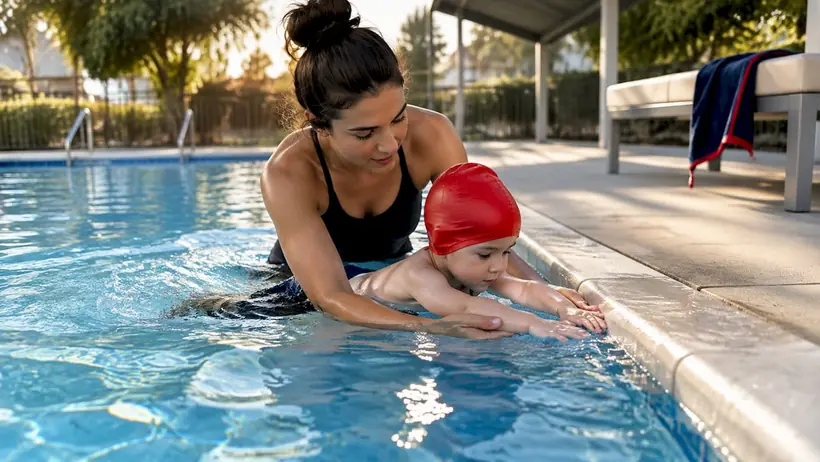
ISR survival swim lessons typically run $100 to $175 per week, or $600 to $1,050 for a full 6-week program, plus a national registration fee of $105 for new students and $40 for returning students. That’s the baseline. Actual totals swing depending on your instructor, your city, and whether you choose in-pool, at-home, or travel lessons, with refreshers adding a recurring cost after the initial program ends.
TL;DR:
- The typical cost for an ISR survival swim program is between $600 and $1,050 for six weeks, with registration fees adding approximately $105 for new students.
- Parent costs increase significantly in high-rent markets or with travel and at-home formats, sometimes exceeding $2,100 for private lessons.
- Refresher courses, recommended every six months, can cost between $400 and $700 and are essential to maintain water safety skills.
- Cost-saving options include payment plans, community programs, sibling discounts, and scheduling refreshers flexibly rather than rigidly every six months.
- The upfront expense of ISR may equal private traditional lessons over a year but offers faster skill acquisition, especially valuable for children under three with little water experience.
How Much Does Survival Swim Cost, Line by Line?
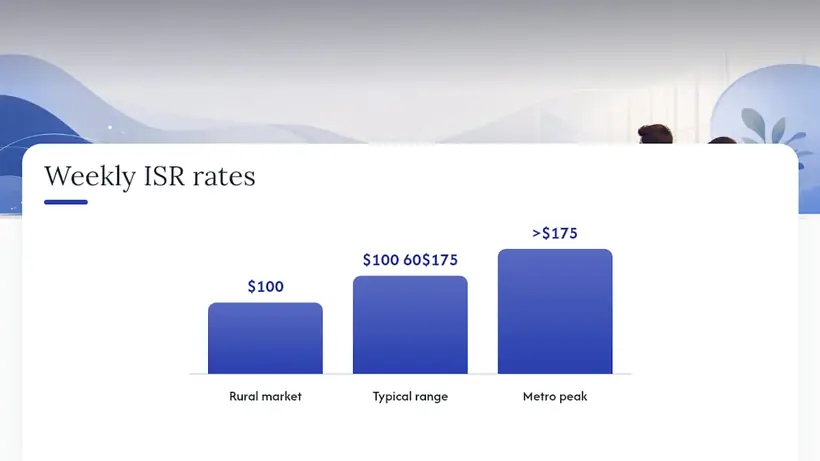
Weekly ISR rates cluster between $100 and $175, and the gap between those numbers usually comes down to geography and instructor demand. A retired-military instructor in a rural market might charge closer to $100 a week, while a sought-after instructor in a metro area with high pool-rental costs can push past $175.
Swim lessons in Palm Beach & Broward County
Free 30 minute assessment. Try before you enroll, no commitment.
Book Free AssessmentMultiply that weekly rate by a typical 6-week program and you land in the $600 to $1,050 range for lessons alone, according to pricing data compiled from ISR instructors nationwide. Add registration, and many families land closer to $1,050 to $1,200 for their child’s first full program, based on pricing patterns across U.S. ISR programs. Travel and concierge formats push that ceiling much higher.
Here’s what typically shows up on an ISR invoice:
- Weekly lesson fee: $100 to $175, billed weekly for the duration of the program
- National registration fee: $105 for first-time ISR families, $40 for returning families enrolling again
- Full initial program total: roughly $1,050 to $1,200 once registration and six weeks of lessons are combined
- Refresher program: often $400 to $700 for a shorter maintenance course, based on ISR pricing comparisons
That registration fee isn’t just paperwork. It funds a registration evaluation, which includes a review of your child’s medical and developmental history so the instructor knows how to approach the first lesson safely. Some families see that screening as worth the price on its own, since it flags any physical limitation before a child ever enters the water. ISR also runs its own store and national registration system, so the fee ties directly into how the organization tracks enrollment and readiness across its certified instructors.
Refreshers matter more than most parents expect going in. ISR generally recommends returning for a maintenance course roughly every six months for young children, since swim skills fade fast at that age. Skip the refresher and you’re often paying for a near-full restart later, which costs more than staying on schedule.
Ready to get your child in the water?
Book a free assessmentWhat Actually Drives Your Price Up or Down?
Location is the biggest lever. Instructors in cities with expensive pool rentals or higher costs of living charge more per week simply to cover overhead, while suburban and rural instructors often run leaner and pass those savings on.
Format matters just as much. Consider these four factors in order of impact:
- Location and pool costs, heated indoor pools in high-rent markets cost more to book than a backyard pool in a lower-cost region.
- Lesson format, private at-home instruction typically costs more than pool-based private lessons, and semi-private classes (like Superheroswimacademy’s small-group model) usually cost less per child than one-on-one.
- Instructor training and experience, a newly certified ISR instructor may charge less than one with a decade of survival-swim experience.
- Lesson frequency, the daily 10-minute model compresses learning into a shorter calendar window, but it also means the weekly fee reflects five sessions, not one or two.
Pro Tip: Ask every instructor upfront whether their quoted price includes the national registration fee or if it’s billed separately. That single question prevents the most common billing surprise parents report.
Watch for nonrefundable retainers, too. Many instructors require a deposit to hold your child’s daily time slot, and that money typically isn’t returned if you cancel after the program starts.
Ready to get your child in the water?
Book a free assessmentWhat Extra Fees Should You Budget For?
Beyond the weekly rate, a handful of smaller costs add up fast if you don’t plan for them.
- Deposit or retainer: commonly required to reserve a daily lesson slot, applied toward your total rather than charged on top of it
- Travel or concierge premium: at-home private sessions can run dramatically higher than in-pool lessons. Some Austin-area ISR instructors list travel sessions at up to $2,100, compared to standard in-pool pricing
- Swim diapers: typically $10 to $20 for a multi-pack, required for infants and non-potty-trained toddlers
- Towels and gear: a small one-time cost, usually under $30, unless your provider supplies them
- Refresher maintenance: the recurring $400 to $700 cost mentioned earlier, factored into your annual budget rather than a one-time expense
Nonrefundable deposits deserve a second look before you sign anything. If your family’s schedule is unpredictable, ask whether the provider offers any flexibility on rescheduling before you commit a deposit you can’t get back.
Is ISR Worth It Compared to Traditional Lessons?
Traditional group lessons at community pools or YMCAs run far cheaper upfront, often $5 to $45 per class, with private traditional lessons landing around $40 to $90 per session. That’s a fraction of ISR’s weekly rate.
The difference is what you’re paying for. ISR’s daily, short-session model is built to teach survival skills, like rolling to float and breathing, in a compressed timeline, which is why the upfront cost concentrates into six weeks instead of spreading across a school year.
- Traditional lessons: lower cost per session, slower skill progression, better fit for children already comfortable in water
- ISR-style survival swim: higher upfront cost, faster skill acquisition, often prioritized for infants and toddlers without water experience
- Six-month cost picture: an ISR family paying for the initial program plus one refresher often lands in a similar annual range to a family paying weekly for private traditional lessons year-round, according to comparative cost analysis
Ready to get your child in the water?
Book a free assessmentIf your child is under three and has no swim exposure, the upfront ISR investment tends to make more sense. If your child is older and already water-comfortable, traditional lessons may deliver similar safety value for less money.
How Can You Lower the Cost Without Cutting Corners?
A few practical moves can shrink your total spend while keeping your child in a safe, structured program.
- Ask about payment plans. Many instructors split the full program into weekly installments rather than requiring one lump sum.
- Check YMCA or municipal programs. YMCA SafeStart and similar community programs sometimes offer sliding-scale pricing for water-safety instruction.
- Space out refreshers strategically. Prioritize the full initial program first, then schedule refreshers around your budget cycle instead of rigidly every six months.
- Ask about sibling discounts. Some providers reduce per-child pricing when multiple kids from the same family enroll together.
Pro Tip: If cost is the main barrier, ask providers directly whether they offer scholarships or reduced-rate slots. Many smaller programs keep a few spots reserved but don’t advertise them.
How Does Superhero Swim Academy Structure Its Pricing?
- At-home lessons: available in two, three, or four private sessions weekly, priced on request
- Online options: the Infant Course and Mission Map teach parents to instruct their own children
Every instructor completes training in CPR and First Aid, and the academy follows a specialized survival swim curriculum. Pricing runs on a package model with deposits, and refreshers are recommended on a similar maintenance schedule to ISR-style programs, keeping skills sharp as children grow.
Ready to get your child in the water?
Book a free assessmentWhat Parents Actually Told Us Mattered Most
Cost weighs on every parent’s mind, but the families we’ve worked with consistently say the peace of mind outweighed the invoice once lessons ended. Before you sign with any provider, use this quick checklist: confirm the total program cost including registration, ask about refresher pricing now, and clarify whether deposits are refundable.
, SUPERHERO
Ready to Get a Real Quote for Your Child?
Superheroswimacademy is the direct alternative to piecing together quotes from individual ISR instructors. Every format, from semi-private pool lessons to at-home sessions, comes from one trained team instead of a patchwork of independent contractors with different rates and policies.
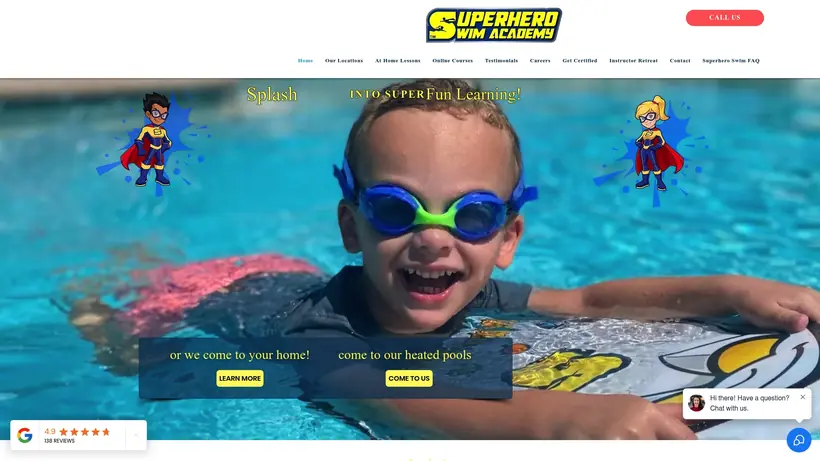
If budget is your main concern, ask directly about payment plans when you reach out. Families who prefer teaching their own children can start with the Infant Course or Mission Map instead of in-person lessons. Whichever path fits your family, visit Superheroswimacademy today to request a cost estimate and find a schedule that works for your child.
Ready to get your child in the water?
Book a free assessmentWhere These Numbers Come From
These sources cover official safety guidance beyond pricing alone.