
Why Infant Swim Lessons Are Short: A 2026 Parent Guide
- superheroswim
- Jun 14
- 8 min read

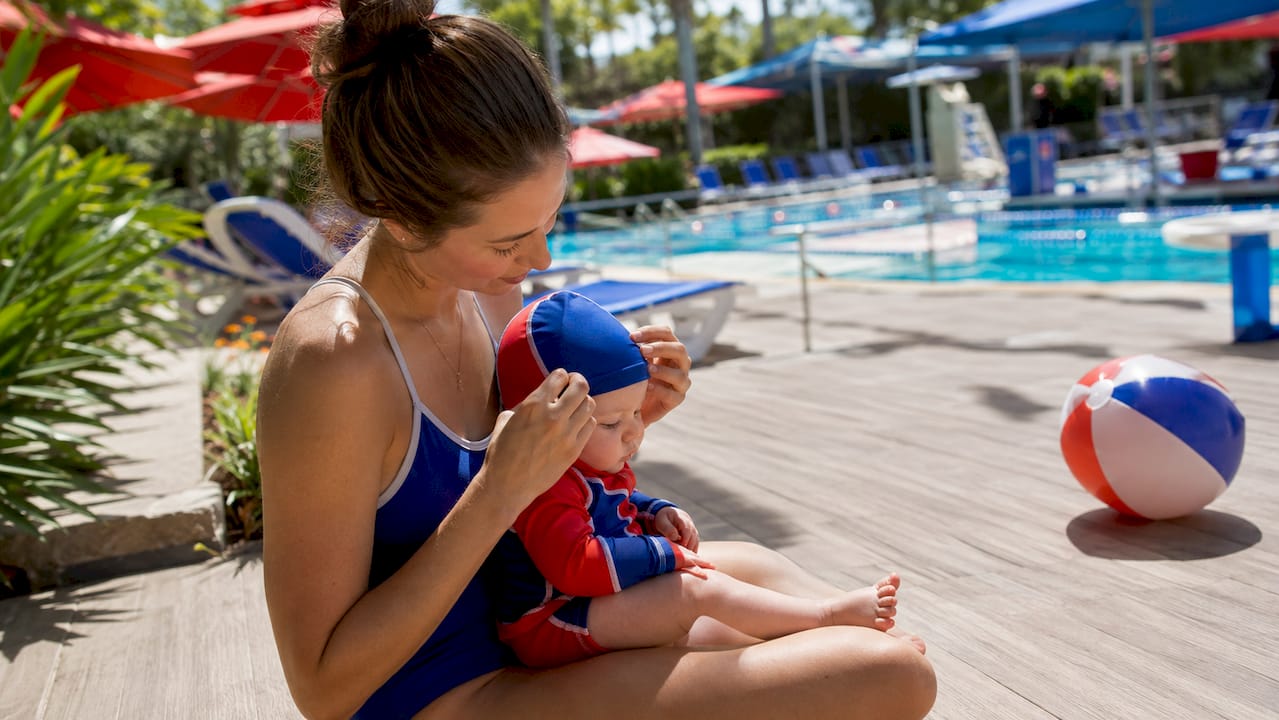
Infant swim lessons are short because infants lose body heat rapidly, have limited attention spans, and possess developing nervous systems that cannot sustain prolonged water exposure without physical or cognitive shutdown. Typical infant swim class duration runs 10 to 30 minutes, with survival-focused programs favoring 10-minute sessions repeated 4–5 days per week. The American Academy of Pediatrics, Infant Swimming Resource (ISR), and pediatric aquatic researchers all endorse brief, frequent sessions as the safest and most effective model for early water competency. Understanding why baby swim classes are brief is not just reassuring. It is the foundation for choosing the right program and setting realistic expectations.
Why infant swim lessons are short: the physiology behind it
Infants cannot regulate body temperature the way older children and adults can. Their high surface-area-to-mass ratio causes core temperature to drop faster in water, even in a heated pool. This is not a minor inconvenience. It is a genuine physiological risk that directly limits how long any lesson should last.
Pediatric aquatic guidelines recommend pool water temperature of 93–95°F (34–35°C) for infants under 6 months. Even at those temperatures, cold stress can set in within minutes if the infant is not actively moving. Cold water triggers cortisol spikes and fight-or-flight responses in infants, which impairs learning and increases the risk of hypothermia. A lesson that runs too long, even in a warm pool, works against the very skills it is trying to build.
Physical fatigue compounds the temperature problem. Floating, kicking, and maintaining body position are demanding motor tasks for a baby. Infants tire quickly, and a fatigued infant cannot learn. Pushing past that fatigue threshold does not build endurance. It builds negative associations with water.
Infants under 6 months need water at 93–95°F to prevent cold stress
Core temperature drops faster in infants due to their body composition
Physical exhaustion from motor tasks like floating sets in within minutes
Cold stress triggers cortisol release, blocking skill retention
Pro Tip: Feel the water with your inner wrist before your baby enters. If it feels neutral or slightly warm, it is close to the right temperature. If it feels cool, the session should be shorter.
How brain development shapes infant swim class duration
An infant’s brain is not a smaller version of an adult brain. It is a system still building its basic architecture. Infant attention windows are narrow by design, and neurological overload causes a shutdown response that stops skill retention entirely. This is why the optimal length for swim lessons is not just about physical safety. It is about cognitive capacity.
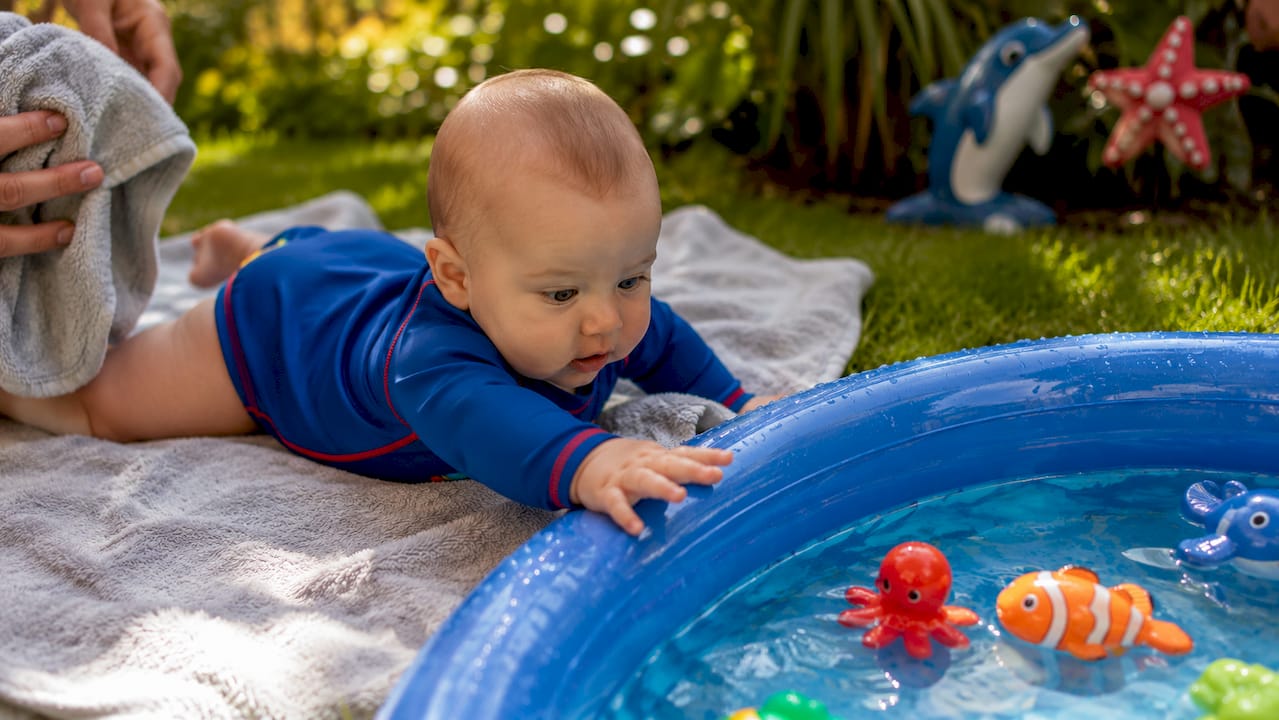
When an infant becomes overstimulated, the nervous system does not simply slow down. It disengages. Eye contact drops, muscle tone changes, and the infant stops processing new information. Experienced instructors watch for these cues constantly. A lesson that continues past this point produces no learning and risks a negative water experience that can persist for months.
Short sessions end before frustration sets in. That matters enormously for long-term development. Positive water associations formed in early infancy are a documented predictor of water confidence in toddlerhood and beyond. The goal of every lesson is not just skill acquisition. It is a happy exit from the water.
Here is how neurological limits shape lesson design in practice:
Lessons are structured to deliver one or two focused skills per session, not a full curriculum
Instructors read physical cues like yawning, gaze aversion, and changes in muscle tone to gauge readiness
Sessions end while the infant is still engaged, never after distress signals appear
Repetition across multiple sessions replaces depth within a single session
Parent presence reduces cortisol levels, extending the usable learning window slightly
Pro Tip: If your baby seems fussy or disengaged in the last few minutes of a lesson, that is not failure. That is the instructor correctly reading the end of the learning window. Trust the timing.
Frequency vs. duration: which one actually builds water skills?
The most common misconception parents bring to infant swim programs is that longer lessons produce faster results. The research says the opposite. Frequency beats duration for infant skill acquisition. A baby attending 10-minute lessons five days a week develops water competency faster than one attending a single 30-minute weekly class.
The reason is muscle memory consolidation. Infant brains build motor patterns through repetition in short, controlled bursts. Each brief session reinforces the neural pathways laid down in the previous one. A long gap between sessions allows those pathways to weaken before they are fully established. Frequent short sessions keep the consolidation process active.
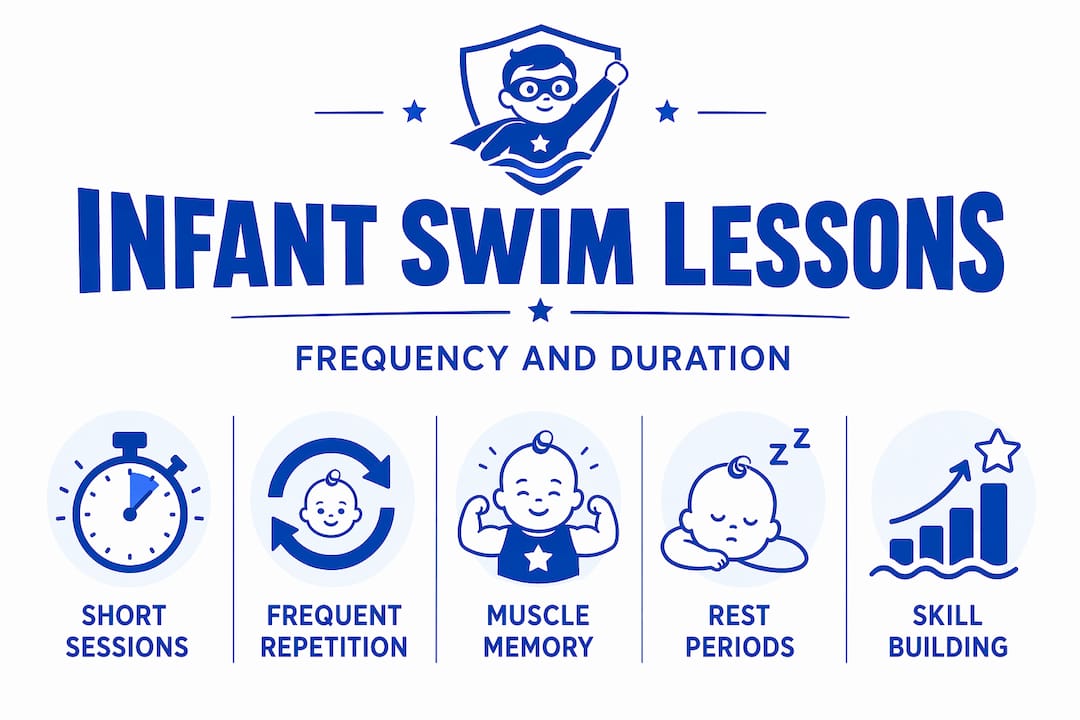
Muscle memory in infant swimming depends on this cycle of stimulation and rest, not on extended time in the water. Think of it like learning a musical instrument. Daily five-minute practice beats one weekly hour every time for beginners.
Schedule | Session Length | Weekly Frequency | Outcome |
Survival-focused program | 10 minutes | 4–5 days per week | Rapid skill acquisition, strong muscle memory |
Standard developmental class | 20–30 minutes | 1–2 days per week | Slower retention, higher fatigue risk |
Recreational group class | 30 minutes | 1 day per week | Social benefit, limited individual skill focus |
The data here is not subtle. Short, frequent lessons align with how infant brains actually consolidate motor skills. Longer, infrequent sessions align with adult learning preferences, not infant developmental reality.
How good lesson design keeps short sessions effective
A 10-minute lesson only works if every minute is used well. One-on-one or very small group instruction is the standard for quality infant swim programs because it eliminates idle time. In a typical 30-minute group class, up to 6–8 minutes go to entry, transitions, and safety checks, leaving roughly 22 minutes of instruction divided among multiple children. For an infant, that means far less focused practice than the clock suggests.
Effective infant lesson design centers on three principles. First, the environment must be warm, calm, and consistent. Familiar settings reduce cortisol and extend the learning window. Second, parent participation is not optional. A parent’s physical presence and calm demeanor directly lower infant stress, which improves both safety and skill uptake. Third, instructors monitor nervous system cues continuously, adjusting or ending the lesson based on what the infant’s body is communicating, not based on a timer.
Ending a session while the infant is still happy is a deliberate instructional strategy. It builds a positive water association that carries forward into every future lesson. Instructors who push past the infant’s comfort zone to “get more done” are working against the program’s own goals.
Warm, consistent pool environments reduce infant cortisol and extend focus
Parent participation lowers stress and supports skill transfer
One-on-one instruction eliminates idle time that causes heat loss and distraction
Lessons end on a positive note to reinforce water confidence
You can learn more about why early lessons matter and how the structure of early sessions shapes long-term water safety.
How do infant swim programs compare on lesson length?
Not all infant swim programs use the same session length, and the differences reflect different goals. Survival-focused programs like ISR (Infant Swimming Resource) use lessons as short as 10 minutes, repeated daily or near-daily. The goal is rapid acquisition of self-rescue skills: rolling to a float, maintaining position, and reaching a wall. The 10-minute session is considered the “Goldilocks zone,” long enough for focused practice but short enough to prevent hypothermia or neurological overload.
General developmental swim classes, common at YMCAs and community pools, typically run 20–30 minutes. These sessions include more social and play-based elements and are designed for broader water comfort rather than specific survival skills. The American Academy of Pediatrics recommends starting water competency training at age 1, with consistent, supervised short sessions as the key protective factor against drowning, which remains a leading cause of death in children under 5.
Program Type | Typical Length | Frequency | Primary Goal |
ISR Survival Swim | 10 minutes | Daily or near-daily | Self-rescue skills |
Developmental Swim Class | 20–30 minutes | 1–2 times per week | Water comfort and basic skills |
Recreational Group Class | 30 minutes | Weekly | Social exposure and play |
Age also shapes lesson length. Newborns and infants under 6 months need the shortest sessions. As infants approach 12 months, their temperature regulation improves slightly and their attention windows widen, allowing for sessions closer to 20 minutes. The qualified instructors at a well-run program adjust session length as the child develops, not on a fixed schedule.
Key takeaways
Short, frequent infant swim lessons are the most effective and safest model because they align with infant physiology, neurological capacity, and muscle memory consolidation patterns.
Point | Details |
Lesson length is physiologically driven | Infants lose body heat fast, making sessions longer than 30 minutes a genuine hypothermia risk. |
Frequency outperforms duration | Four to five short sessions per week build skills faster than one long weekly class. |
Neurological limits define the window | Infant attention and learning shut down before frustration appears; good instructors end lessons before that point. |
Quality of time beats quantity | One-on-one instruction eliminates idle time, making 10 minutes more effective than 30 minutes in a group. |
Positive exits build long-term confidence | Ending while the infant is happy creates water associations that support lifelong swimming development. |
What i’ve learned after teaching thousands of infants
Parents often walk into their first lesson expecting more time in the water to mean more progress. I understand that instinct. You want to see results, and a 10-minute session can feel like it barely started before it ends. But after working with over 2,500 children at Superheroswimacademy, I can tell you that the parents who trust the short-session model see the fastest, most durable results.
The infants who struggle most are not the ones with the shortest lessons. They are the ones whose previous programs pushed past their limits in the name of “getting more done.” Overextended lessons create water anxiety that takes weeks to undo. A child who leaves the pool happy and confident every single day builds a relationship with water that no amount of extra minutes can manufacture.
The other thing I have seen consistently: parents who understand the reasoning behind short sessions become better partners in the lesson. They stop watching the clock and start watching their child. That shift in attention is worth more than any extra minutes in the pool.
If you are choosing a program, look for private lesson structures that prioritize individual attention over session length. The best programs are not the ones with the longest lessons. They are the ones where every minute is intentional.
— SUPERHERO
Start your child’s swim journey with Superheroswimacademy
Superheroswimacademy structures every infant lesson around the principles covered in this article: short, focused sessions in warm pools, taught by instructors trained in CPR, First Aid, and a proven survival swim curriculum. Every instructor monitors physical and emotional cues to end each session at the right moment, so your child leaves the water confident and happy every time.
With over 2,500 children taught across Palm Beach and Broward counties, Superheroswimacademy delivers measurable results within weeks. Parents receive clear goals and regular progress updates so you always know exactly where your child stands. Small class sizes and parent participation policies mean your baby gets the focused attention that makes short sessions work.
Explore infant swim lessons at Superheroswimacademy and find the location nearest you at our locations page.
FAQ
How long should infant swim lessons be?
Infant swim lessons should be 10–30 minutes depending on the program type and the infant’s age. Survival-focused programs use 10-minute sessions; developmental classes run 20–30 minutes.
Are infant swim lessons effective if they are only 10 minutes long?
Yes. A 10-minute focused session repeated 4–5 times per week builds muscle memory and water safety skills faster than a single longer weekly class.
Why do baby swim classes end so quickly?
Baby swim classes end quickly to prevent hypothermia, neurological overload, and negative water associations. Instructors watch for cues like yawning and gaze loss to end the session while the infant is still engaged.
What water temperature is safe for infant swim lessons?
Water temperature for infants under 6 months should be 93–95°F to prevent rapid core temperature drop and cortisol-driven stress responses that block learning.
When can infants start swim lessons?
The American Academy of Pediatrics recommends water competency training starting at age 1, though many survival swim programs accept infants as young as 6 months with parental consent and appropriate water temperatures.
Recommended
Comments