
How to Structure One-on-One Swim Curriculum for Kids
- superheroswim
- Jun 17
- 7 min read

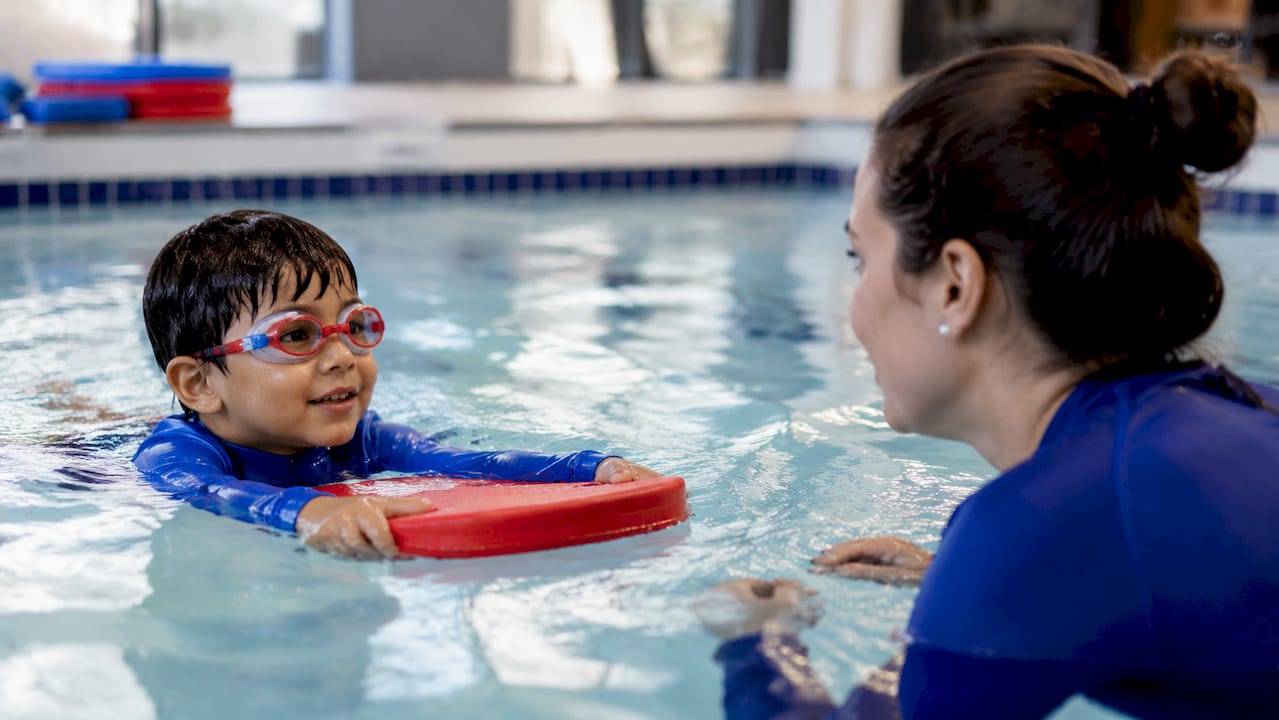
A well-structured one-on-one swim curriculum is defined as a personalized, session-by-session plan that balances technical skill development with psychological comfort to produce measurable progress in young swimmers. Unlike group classes, private swim lessons give instructors the freedom to adapt every drill, every objective, and every transition to a single child’s pace and temperament. The industry standard for these sessions is a 30-minute format built around one clear SMART objective per lesson, a framework validated by programs like Swim Synergy and documented by coaches at SGS Ink or Swim. When you understand how these sessions are designed, you can ask better questions, set realistic expectations, and actively support your child’s progress from day one.
How to structure one-on-one swim curriculum: core session design
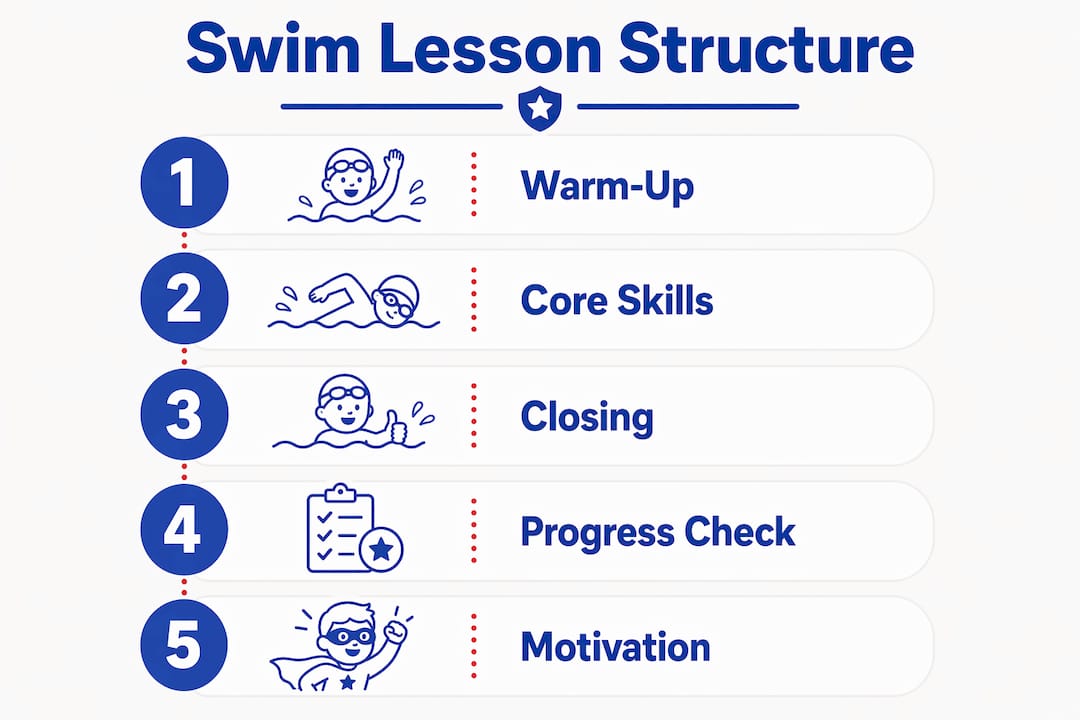
The foundation of any effective individual swim training plan is a three-part lesson framework: a warm-up, a core skill acquisition block, and a closing segment. Effective swim lessons focus on one achievable SMART objective per session, which keeps the child from feeling overwhelmed and gives the instructor a clear measure of success. A SMART objective in this context looks like “child blows bubbles for five seconds without prompting” rather than “work on breathing.” Specificity is what separates a productive lesson from a pleasant splash.
The warm-up phase
The warm-up is not just physical preparation. For young children, it is the psychological bridge between the parking lot and the pool. A good warm-up includes water entry practice, gentle kicking on the wall, and familiar games that lower anxiety. First-lesson acclimation is so critical that skipping it has been shown to negatively affect progress across subsequent sessions. Spend five to seven minutes here, especially with toddlers and preschoolers.
The core skill block
This is where the real work happens, and the method matters enormously. Breaking strokes into component drills before reintegrating them rewires muscle memory more efficiently than repetitive full-stroke swimming. A child learning freestyle does not start by swimming laps. She practices arm pulls while standing, then adds a kickboard, then combines both with a breath. This “part-to-whole” approach is the defining advantage of one-on-one swim classes over group formats.
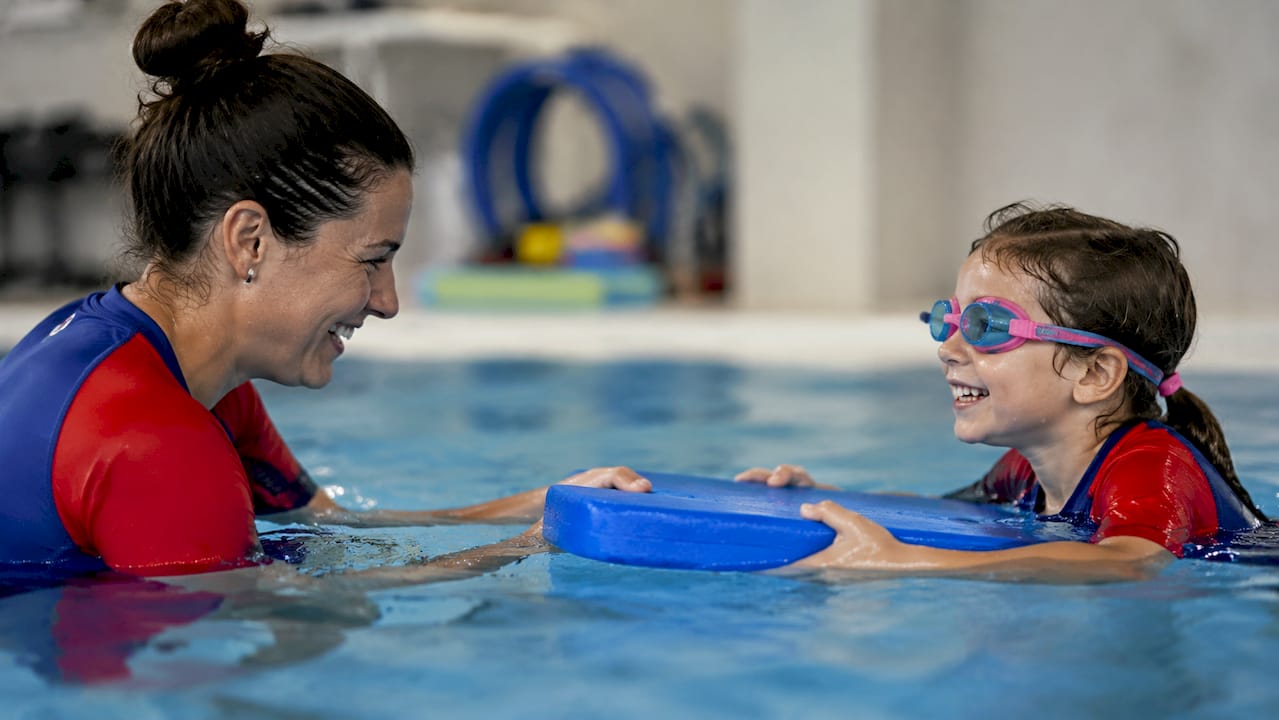
The core block should run fifteen to eighteen minutes. It should include no more than two or three distinct drills, each practiced until the child shows competence or fatigue. Blending play into technical drills prevents burnout and keeps engagement high throughout the block.
The closing segment
The closing segment serves two purposes: consolidation and motivation. End with a short free swim, a favorite game, or a confidence drill the child already does well. This sends them out of the water on a positive note, which directly affects their attitude at the next session.
Pro Tip: Write down the SMART objective before each lesson and check it off at the end. This one habit turns vague “good lessons” into documented progress.
How often should private swim lessons be scheduled?
Lesson frequency is the variable most parents underestimate. The right schedule depends on your child’s age, developmental stage, and the specific goals of the custom swim curriculum.
Age Group | Recommended Duration | Recommended Frequency |
Infants (6–18 months) | 15 minutes | 4 times per week |
Toddlers (18 months–3 years) | 20–30 minutes | 2–3 times per week |
Preschoolers (3–5 years) | 30 minutes | 1–2 times per week |
School-age (6+ years) | 30–45 minutes | 1 time per week |
Standard one-on-one swim lessons for children run 30 minutes, while specialized infant survival programs use 15-minute sessions four days a week for safety and retention. The higher frequency for infants is not about cramming in more content. It is about building reflexive water safety responses before voluntary motor control is fully developed. For older children, weekly sessions combined with home reinforcement produce strong results without overwhelming young schedules.
Instructor consistency across all these sessions is not optional. Keeping the same instructor across lessons builds the trust young or anxious swimmers need for rapid progress, and changing instructors can delay skill acquisition by weeks. This is one reason Superheroswimacademy assigns dedicated instructors to each child rather than rotating staff.
For a deeper look at research-backed scheduling, the Superheroswimacademy resource on lesson frequency for kids breaks down the science behind session spacing and retention.
Pro Tip: If your child is in an infant survival program, treat the four-day schedule as non-negotiable for the first four to six weeks. Gaps in that critical window slow the reflex-building process significantly.
What role does progress tracking play in swim curricula?
Progress tracking is the mechanism that turns a swimming lesson plan into a curriculum. Without it, lessons are just activities. With it, they become a connected path toward specific outcomes.
Skill-based milestones such as “front crawl 25 meters” or “treading water for two minutes” motivate learners and facilitate clear communication far more effectively than subjective level names like “Level 3” or “Intermediate.” A parent who hears “your child can now float independently for ten seconds” understands the achievement. A parent who hears “she moved up a level” does not know what changed.
Effective progress tracking in personalized swim coaching includes:
Skill checklists tied to specific, observable behaviors (kicks with straight legs, rotates head to breathe, enters water without hesitation)
Session notes written by the instructor immediately after each lesson
Parent updates delivered verbally or through a written card after each session
Milestone celebrations that acknowledge achievement and reset the next objective
The comparison below shows why objective criteria outperform subjective levels:
Tracking Method | What Parents See | What Kids Feel |
Subjective levels (“Level 2”) | Vague advancement | Unclear motivation |
Skill-based milestones | Specific, named achievements | Clear sense of accomplishment |
Superheroswimacademy’s approach to tracking swim progress gives parents a transparent view of exactly where their child stands and what comes next. That transparency is what keeps families enrolled and children motivated.
How can parents reinforce swim skills at home?
Parents reinforcing swim skills at home accelerates retention and comfort beyond what weekly sessions alone can achieve. This does not require a pool. Simple, low-pressure activities between lessons make a measurable difference.
Here are the most effective at-home practices:
Bubble blowing in the bathtub. This directly trains breath control, the single most common barrier for young swimmers. Make it a game, not a drill.
Face submersion practice. Let your child dip their face in the tub and count to three. Praise the attempt, not just the result.
Floating in shallow water. If you have access to a backyard pool or a shallow splash pad, supervised floating practice builds body awareness between lessons.
Positive water talk. Ask your child what they liked about their last lesson, not what was hard. Framing water as fun at home carries directly into lesson attitude.
Avoiding pressure. Never push a child to perform a skill they refused at their lesson. Let the instructor manage skill progression. Your job is to keep the emotional association with water positive.
Pro Tip: The bathtub is an underused training tool. Five minutes of bubble practice three times a week between lessons can cut the time it takes to master breath control by weeks.
For parents setting up more structured at-home practice, Superheroswimacademy’s guide on backyard pool lessons offers practical setup advice for safe, productive home sessions.
Key takeaways
A structured one-on-one swim curriculum requires a three-part session framework, consistent instructors, measurable milestones, and active parent reinforcement to produce lasting results in young swimmers.
Point | Details |
Use a three-part session framework | Every lesson needs a warm-up, a core skill block, and a positive closing segment. |
Set one SMART objective per lesson | Specific, measurable goals outperform vague intentions and make progress visible. |
Match frequency to age | Infants need 15-minute sessions four times a week; older children benefit from weekly 30-minute lessons. |
Track with skill-based milestones | Observable criteria like “treads water two minutes” motivate children and inform parents clearly. |
Reinforce skills at home | Bubble practice and positive water talk between sessions accelerate retention significantly. |
What most curriculum guides get wrong about one-on-one lessons
After working with over 2,500 children at Superheroswimacademy, the pattern I see most often is this: instructors design one-on-one sessions the same way they would run a group class, just with fewer kids. That is the wrong model entirely.
Group lessons are built for the average child in the room. One-on-one lessons exist precisely because there is no average child in the room. The curriculum has to start with who this specific child is: their fear level, their motor development, their attention span, and their relationship with water before the first drill ever begins. I have seen children who could float perfectly but panicked at submersion. I have seen fearless kids who had zero body awareness. A curriculum that ignores those individual starting points wastes the biggest advantage private lessons offer.
The other mistake I see is rushing past rapport. Parents sometimes feel that the first lesson should produce visible skill gains. In reality, the most productive first lesson for an anxious three-year-old might look like nothing more than splashing and laughing. That emotional foundation is what makes every technical lesson after it possible. Skipping it costs you weeks, not minutes.
Instructor consistency is the third pillar most programs undervalue. At Superheroswimacademy, we do not rotate instructors casually. The relationship between a child and their instructor is a genuine factor in how fast skills develop. When that relationship resets, progress resets with it.
— SUPERHERO
Ready to build your child’s personalized swim program?
Superheroswimacademy designs every child’s program around the exact principles covered in this article: a structured session framework, measurable milestones, dedicated instructors, and genuine parent involvement. With over 2,500 children taught across Palm Beach and Broward counties, the academy’s survival swim curriculum is built for safety first and confidence second.
Every instructor at Superheroswimacademy holds CPR and First Aid certification and is trained in the academy’s own proven curriculum. Parents receive clear progress updates after every session so you always know where your child stands. Whether you are starting with an infant or a school-age child, personalized swim lessons are available at locations near you. Find your closest pool and take the first step toward a safer, more confident swimmer at Superheroswimacademy locations.
FAQ
What is a one-on-one swim curriculum?
A one-on-one swim curriculum is a personalized, session-by-session lesson plan designed for a single child, built around individual skill gaps, comfort levels, and developmental goals. It differs from group instruction by adapting every drill and objective to that specific child.
How long should a private swim lesson be for a toddler?
Most toddler private swim lessons run 20–30 minutes. Infant survival programs use shorter 15-minute sessions scheduled four times per week to build water safety reflexes without fatiguing young learners.
How do i know if my child is making progress in private lessons?
Progress is best measured through skill-based milestones like “floats independently for ten seconds” rather than subjective level names. Ask your instructor for a written checklist of specific, observable skills your child has achieved.
Does changing swim instructors affect my child’s progress?
Yes. Instructor changes can delay skill acquisition by weeks because young swimmers rely on trust and familiarity to take the risks that learning requires. Keeping the same instructor is one of the highest-impact decisions you can make.
Can i help my child practice swimming at home between lessons?
Absolutely. Home reinforcement through activities like bathtub bubble blowing and positive water conversations accelerates skill retention and builds comfort between sessions. Keep it playful and pressure-free.
Recommended
Comments