
Semester Swim Lesson Structure: A Parent's Guide
- superheroswim
- Jun 28
- 7 min read

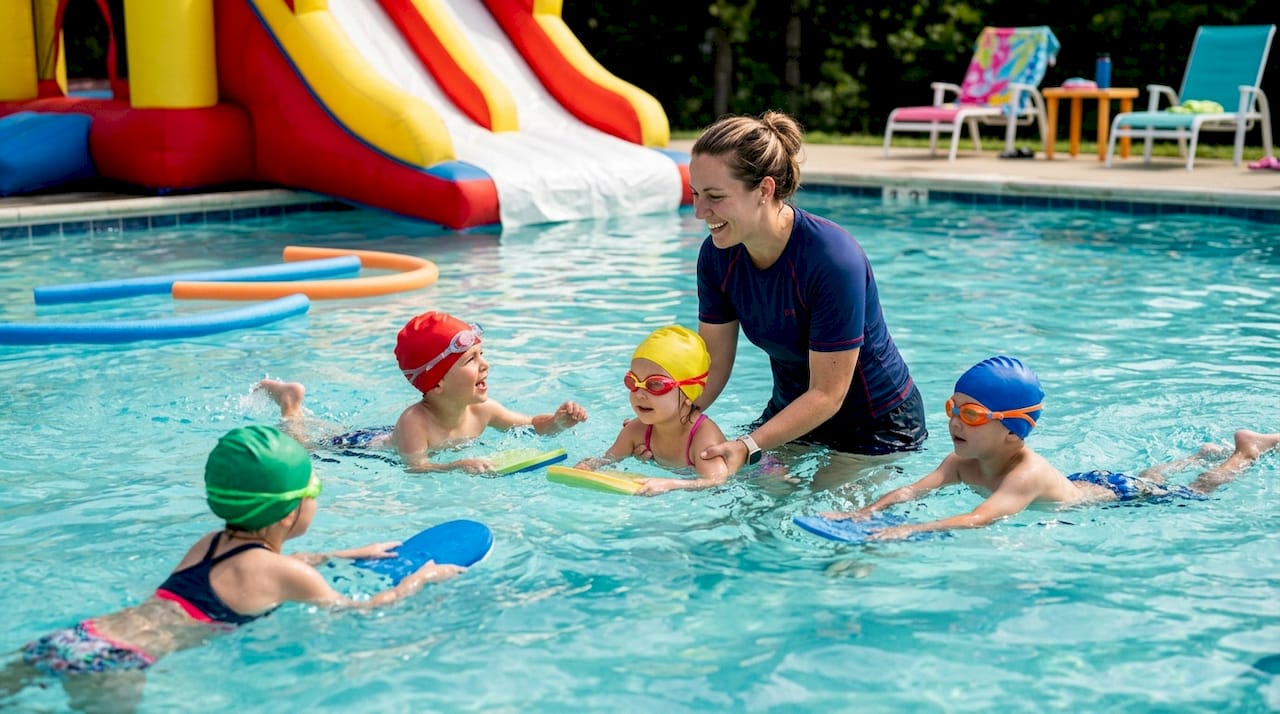
A semester swim lesson structure is a fixed, time-blocked program where children learn swimming skills over 8–12 weeks with clear progression goals and standardized lesson formats. Unlike perpetual enrollment models that let children join at any time, semester programs run on a defined calendar with set start and end dates. Understanding this structure helps you set realistic expectations, prepare your child properly, and make the most of every session. Superheroswimacademy, which has taught over 2,500 children in Palm Beach and Broward counties, uses this kind of structured approach to build safety skills and water confidence.
What is semester swim lesson structure?
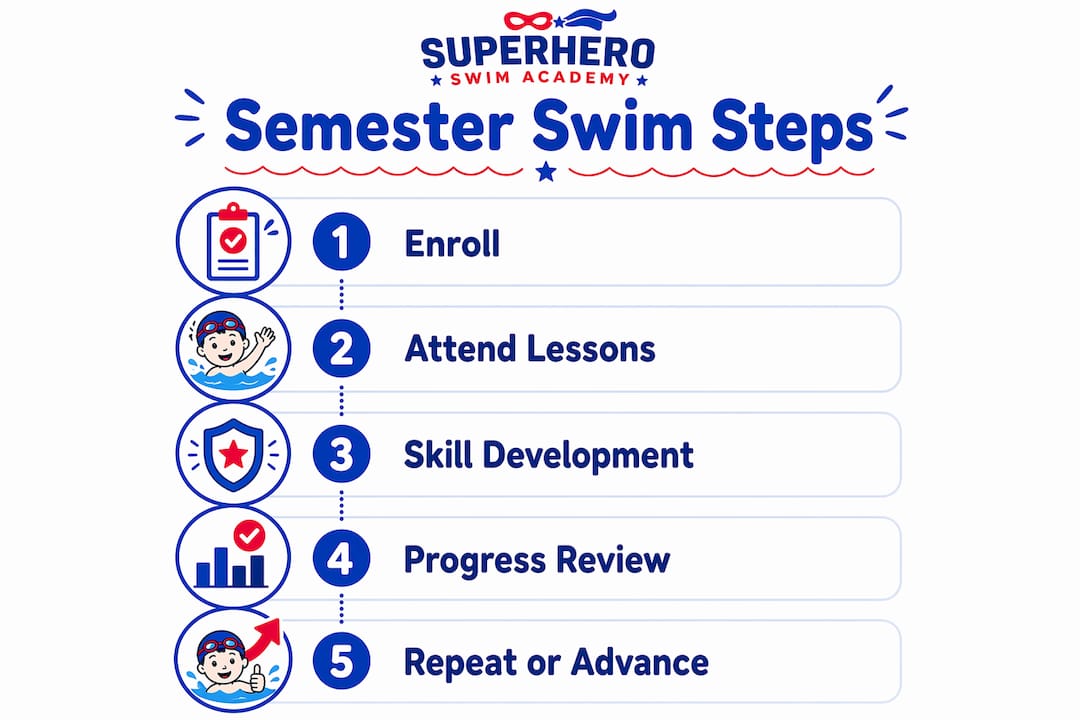
A semester swim lesson structure organizes instruction into fixed 8–12 week blocks with standardized lesson durations based on your child’s age and skill level. Each block has a defined start date, end date, and a specific curriculum tied to a skill level. Children move through the program as a cohort, meaning everyone in the group works on the same goals at the same time.
Lesson durations follow a consistent pattern across most programs. Beginners and preschoolers typically attend 30-minute sessions. Children working on technique development move to 45-minute classes. Advanced stroke refinement requires 60-minute lessons. These time blocks reflect the attention span and physical stamina appropriate for each stage.
The cohort model is one of the defining features of a semester program. Your child is grouped with peers at the same skill level, and the swim lesson curriculum advances in defined stages from water familiarization for toddlers to stroke mechanics for older children. This creates a shared pace and a social environment that motivates kids to keep up and show up.
Here is a quick reference for how session length and lesson duration typically align:
Session length | Lesson duration | Typical age group |
8 weeks | 30 minutes | Infants and preschoolers |
10 weeks | 45 minutes | Early elementary, technique stage |
12 weeks | 60 minutes | Older children, advanced strokes |
Pro Tip: Ask your program for the exact start and end dates before enrolling. Knowing the full calendar upfront helps you avoid scheduling conflicts that break your child’s attendance streak.
How do accelerated swim semester formats work?
Accelerated swim semester formats compress the same curriculum into a shorter, more intense window. Instead of one lesson per week over 10 weeks, your child attends daily lessons, typically monday through thursday, over two weeks. Daily immersive lessons build water confidence faster than months of once-a-week sessions because skill decay between lessons drops dramatically.
The core advantage is repetition without forgetting. When a child practices a skill on monday and returns on tuesday, the neural pathways reinforcing that skill are still fresh. Weekly lessons leave a six-day gap where young children often lose ground, especially in the early stages of water comfort.
Accelerated formats work especially well in these situations:
Your child is anxious about water and needs rapid, repeated exposure to build comfort.
Summer schedules allow daily attendance without disrupting school routines.
Your child is a fast learner who gets bored in slow-paced weekly groups.
You need a child to reach a safety baseline before a family vacation or pool season.
The tradeoff is real. Daily lessons demand consistent scheduling for two weeks straight. Missing even one or two sessions in a compressed format disrupts the momentum that makes it effective. Consistent lesson routines produce the best outcomes in both formats, but the accelerated model has less room for gaps.
Pro Tip: Match the format to your child’s learning style, not just your calendar. A child who needs time to process new skills between sessions may thrive in a weekly semester. A child who loves repetition and thrives on momentum is a strong candidate for the accelerated sprint.
What should parents expect during a semester swim lesson?
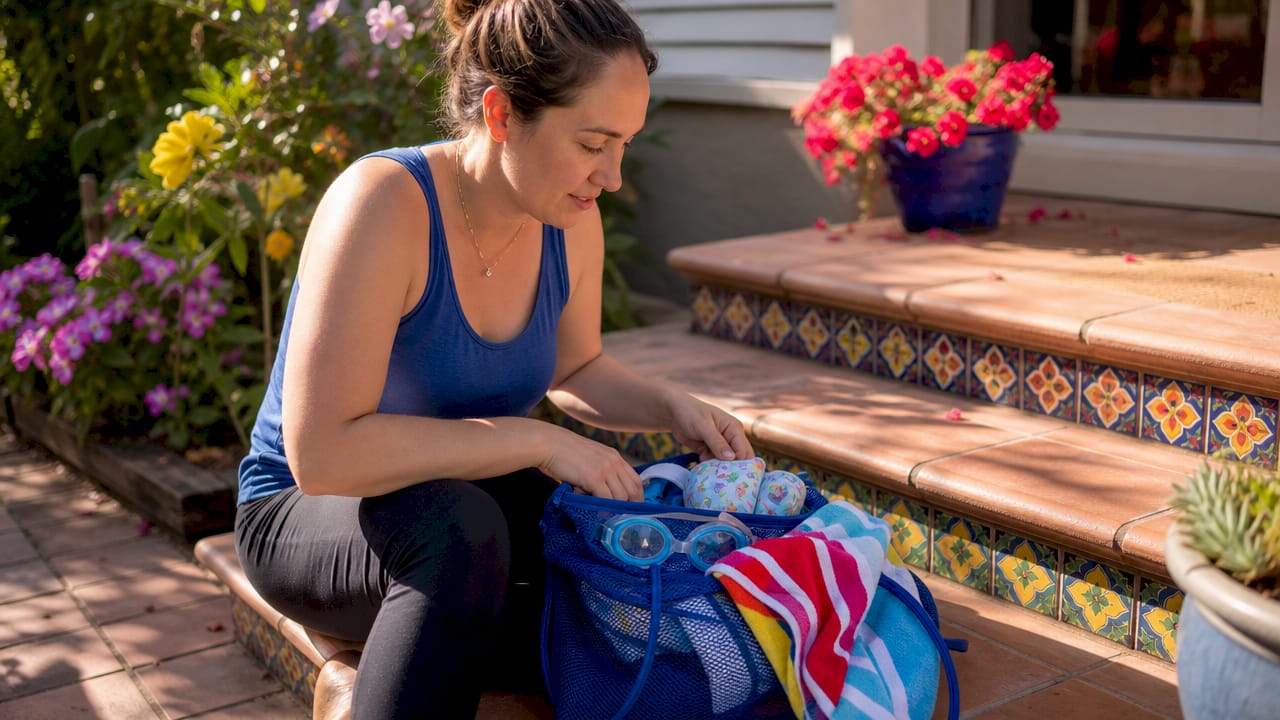
Preparation starts before you walk through the door. Arrive 10–15 minutes early for check-in and to give your child time to acclimate to the pool environment. The echoes, humidity, and chlorine smell are genuinely new sensory experiences for young children. Rushing straight from the car to the water raises anxiety and slows the first few minutes of every lesson.
Gear requirements are straightforward but non-negotiable. Non-potty-trained children need swim diapers and waterproof liners. Most programs will turn families away without them for hygiene reasons. Bring a towel, a change of clothes, and a water bottle. Keep the routine consistent each week so your child knows what to expect.
Your behavior at poolside matters more than most parents realize. Avoid coaching from the pool deck. Instructors build a specific trust relationship with your child, and competing instructions from a parent break that focus. Be a calm, visible cheerleader instead. A wave and a smile from the bleachers does more good than shouted technique corrections.
A typical lesson follows a predictable arc:
Warm-up: Water entry, splashing, and comfort-building activities to ease the transition.
Skill practice: The core of the lesson, focused on the level’s specific goals such as floating, kicking, or arm strokes.
Cool down: Gentle activities that signal the session is ending and help children transition out calmly.
Read Superheroswimacademy’s guide on preparing for the first lesson for a detailed checklist covering gear, arrival routines, and what your child will experience in those first few minutes.
How do safety, progression, and motivation work in semester programs?
Safety in a semester swim lesson structure is built around water competency, not just stroke mechanics. The American Academy of Pediatrics emphasizes constant adult supervision and competency in water safety skills as the top priorities for young learners. Touch supervision, where an adult stays within arm’s reach of infants and toddlers at all times, is the standard for the youngest age groups.
“Water competency includes the ability to enter the water, get to the surface, stay afloat, change direction, and exit the water safely.” — American Academy of Pediatrics
Progression in semester programs is calendar-driven, not mastery-driven. This is the most important distinction for parents to understand. Children who don’t meet milestones within a semester typically repeat the level in the next session. That is not failure. It is the program working as designed. Repeating a level gives your child more time to build genuine competency rather than being pushed forward before they are ready.
Motivation is managed through continuous rewards rather than pass/fail evaluations. Programs that celebrate milestones with tangible rewards like ribbons maintain higher engagement and positive progress among children. The goal is to make every session feel like a win, even when a child is repeating a level. Understanding how swim academies track progress helps you interpret your child’s advancement accurately and avoid misreading a level repeat as a setback.
The first week of any semester deserves special attention. Early sessions focus primarily on comfort and assessment, not technical swimming. Instructors use the first lessons to gauge each child’s comfort level and adjust their approach before introducing new skills. Parents who expect immediate technical progress in week one often misread this phase as slow teaching. It is actually the foundation that makes the rest of the semester work.
Key Takeaways
A semester swim lesson structure delivers the best results when parents understand the calendar-driven format, prepare consistently, and frame level repeats as progress rather than failure.
Point | Details |
Fixed session blocks | Semester programs run 8–12 weeks with defined start and end dates, not open enrollment. |
Age-matched lesson length | Lesson durations range from 30 minutes for beginners to 60 minutes for advanced swimmers. |
Accelerated formats work | Daily lessons over two weeks build skills faster than weekly sessions due to reduced skill decay. |
Arrive early, stay calm | Arrive 10–15 minutes early and avoid poolside coaching to support instructor-child trust. |
Repeating levels is normal | Calendar-driven progression means some children repeat a level, which builds real competency. |
Why structure is the most underrated part of swim education
Parents often focus on the instructor or the pool facility when choosing a swim program. The structure of the semester itself deserves just as much attention. A predictable schedule does something that individual lessons cannot: it trains your child’s brain to expect water, which lowers anxiety before the lesson even starts.
The biggest misconception I see is parents treating a level repeat as a sign that something went wrong. A semester program is not a race. A child who repeats a level and genuinely masters the skills before moving on is safer in the water than a child who was pushed forward to keep pace with the calendar. That distinction matters enormously when the stakes are real.
Frequency also matters more than most parents expect. A child attending two lessons per week in a semester program will outpace a child attending one lesson per week, even if both are in the same level. The gap is not about talent. It is about how often the brain gets to practice the skill before it fades. If your schedule allows it, choose the higher-frequency option every time.
The parents who get the most out of semester programs are the ones who treat it like a team effort. They show up consistently, they stay calm at poolside, and they reinforce positive language at home after every session. The instructor handles the water. You handle the confidence outside of it.
— SUPERHERO
Semester swim programs at Superheroswimacademy
Superheroswimacademy runs structured semester swim programs in Palm Beach and Broward counties, built around survival swim skills for infants, toddlers, and young children. Every instructor holds CPR and First Aid certification and follows the academy’s proven survival swim curriculum.
Parents receive regular progress updates so you always know where your child stands within the semester. With over 2,500 children taught, Superheroswimacademy combines safety-first instruction with a fun environment that keeps kids coming back. Visit the Superheroswimacademy homepage to view enrollment options and find a location near you. The academy also offers online swim courses as a complement to in-person semester attendance.
FAQ
What is a semester swim lesson structure?
A semester swim lesson structure is a fixed 8–12 week program where children attend lessons on a set schedule, follow a level-based curriculum, and progress as a cohort with defined start and end dates.
How long are individual swim lessons in a semester program?
Lesson durations are standardized at 30 minutes for beginners and preschoolers, 45 minutes for technique development, and 60 minutes for advanced stroke work.
What happens if my child doesn’t pass their level by the end of the semester?
Children who don’t meet milestones within a semester repeat the level in the next session. This is normal and gives your child more time to build genuine water competency before advancing.
Are accelerated swim semesters better than weekly lessons?
Daily lessons over two weeks reduce skill decay between sessions and build water confidence faster than once-a-week lessons, making accelerated formats highly effective for motivated or anxious learners.
What should I bring to my child’s first semester swim lesson?
Bring swim diapers and waterproof liners for non-potty-trained children, a towel, a change of clothes, and a water bottle. Arrive 10–15 minutes early to allow time for check-in and pool acclimation.
Recommended
Comments